
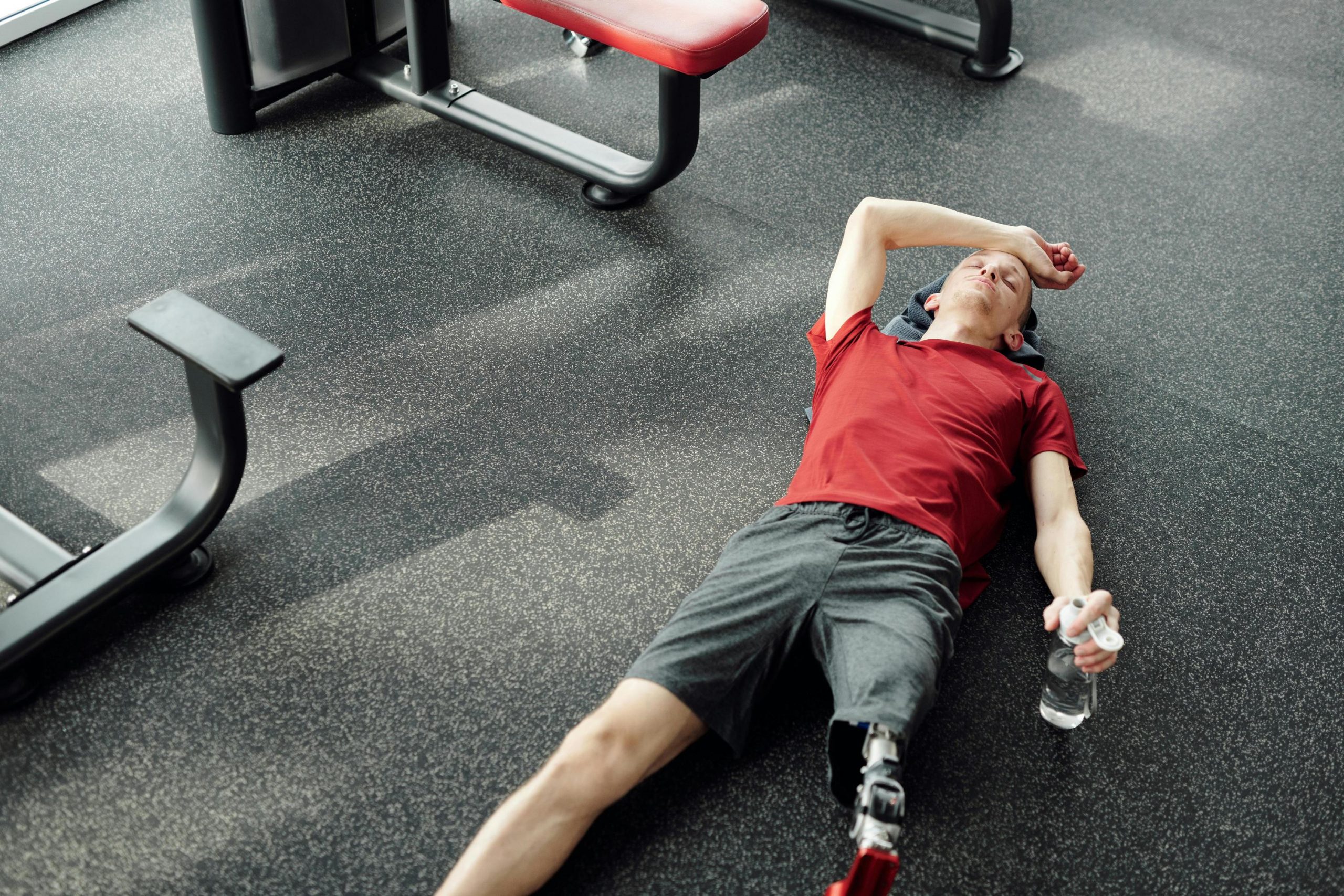
Have you ever finished a workout feeling proud—only to suddenly feel sick to your stomach? If you’ve felt nauseous after workout sessions, you’re not alone. Many people experience this uncomfortable feeling, especially after intense exercise.
While it can be unpleasant, nausea after exercise is often your body’s way of sending a message. The key is understanding what that message means.
In this guide, we’ll explore why you may feel nauseous after a workout, what your body might be telling you, and how to prevent it in the future.
Is It Normal to Feel Nauseous After a Workout?
Yes, it can be normal—especially after high-intensity exercise. However, frequent or severe nausea should not be ignored.
Mild nausea may happen when:
- You push yourself harder than usual
- You’re new to working out
- You’re dehydrated
- You exercised on a full or empty stomach
Occasional nausea is common. But if it happens often, your body may need adjustments in your workout routine, nutrition, or hydration.
Why Do You Feel Nauseous After Workout Sessions?

There are several possible reasons. Let’s break them down clearly.
1. You Worked Out Too Hard
One of the most common reasons people feel nauseous after workout sessions is overexertion.
When you exercise intensely:
- Blood flow shifts from your stomach to your muscles
- Your heart rate increases quickly
- Your breathing becomes rapid
This reduced blood flow to your digestive system can cause stomach discomfort and nausea.
High-intensity interval training (HIIT), sprinting, heavy weightlifting, or intense cardio sessions are common triggers.
If you’re new to exercise or increasing intensity, your body may need time to adjust.
2. Dehydration
Dehydration is a major cause of post-workout nausea.
When you sweat, you lose:
- Water
- Sodium
- Electrolytes
If you don’t replace these fluids, your body struggles to regulate temperature and blood pressure.
Symptoms of dehydration include:
- Dizziness
- Headache
- Dry mouth
- Nausea
Drinking enough water before, during, and after your workout can prevent this problem.
3. Low Blood Sugar
Exercising without enough fuel can cause nausea.
If you work out on an empty stomach, your blood sugar may drop. This can lead to:
- Weakness
- Shakiness
- Lightheadedness
- Nausea
Your muscles need energy, especially during longer workouts.
A small pre-workout snack with:
- Carbohydrates
- A little protein
can help stabilize blood sugar levels.
4. Eating Too Much Before Exercise
On the other hand, eating too much before exercise can also cause nausea.
If you eat a heavy meal right before working out:
- Your body is still digesting food
- Blood is directed toward your stomach
- Exercise redirects blood to your muscles
This conflict can upset your stomach.
Try eating 1–2 hours before exercise for best results.
5. Heat and Humidity
Working out in hot or humid conditions increases your risk of nausea.
Heat stress can cause:
- Increased sweating
- Fluid loss
- Overheating
- Dizziness
If your body struggles to cool down, nausea can follow.
Always:
- Wear breathable clothing
- Take breaks
- Stay hydrated
6. Poor Breathing Technique
Holding your breath during exercise can increase pressure in your abdomen.
This is common during:
- Heavy lifting
- Core exercises
- Intense strength training
Improper breathing may cause:
- Increased blood pressure
- Dizziness
- Nausea
Focus on steady breathing patterns:
- Inhale during easier movements
- Exhale during exertion
7. Overheating Your Body
Your body temperature rises during exercise. If it rises too quickly or too high, you may feel sick.
Warning signs of overheating include:
- Excessive sweating
- Flushed skin
- Weakness
- Rapid heartbeat
- Nausea
Cooling down properly after workouts helps regulate body temperature.
8. Acid Reflux or Sensitive Stomach
Some people are more prone to nausea because of digestive sensitivity.
High-impact exercises like:
- Running
- Jumping
- Burpees
can trigger acid reflux in certain individuals.
If this happens often, try:
- Lower-impact workouts
- Smaller pre-workout meals
- Avoiding acidic foods before exercise
What Is Your Body Telling You?
When you feel nauseous after workout sessions, your body is likely saying:
- “You pushed too hard.”
- “I need more hydration.”
- “I need proper fuel.”
- “I’m overheating.”
Listening to these signals helps you train smarter and safer.
Nausea is not a badge of honor. It’s a warning sign that something needs adjustment.
How to Prevent Nausea After Exercise
The good news is that most cases are preventable.
1. Stay Hydrated
Drink water throughout the day, not just during your workout.
General hydration tips:
- Drink water 1–2 hours before exercise
- Sip water during your workout
- Rehydrate after finishing
For intense workouts lasting over an hour, consider electrolyte drinks.
2. Eat Smart Before Working Out
Choose light, balanced snacks such as:
- Banana with peanut butter
- Greek yogurt
- Toast with almond butter
- Oatmeal
Avoid:
- Heavy greasy foods
- Large portions
- Very spicy meals
3. Warm Up and Cool Down Properly
Jumping straight into intense exercise can shock your system.
Instead:
- Start with 5–10 minutes of light cardio
- Stretch gently
- Gradually increase intensity
After your workout:
- Walk slowly for a few minutes
- Stretch
- Allow your heart rate to return to normal
This helps your body transition smoothly.
4. Adjust Intensity Gradually
If you’re increasing your fitness level, build up slowly.
For example:
- Add 5 minutes per week to cardio
- Increase weight gradually
- Take rest days
Progressive training reduces stress on your body.
5. Avoid Exercising in Extreme Heat
If possible:
- Work out early in the morning
- Choose indoor workouts during heat waves
- Wear lightweight clothing
Temperature control can reduce nausea risk.
When Should You See a Doctor?
Occasional mild nausea after exercise is usually harmless and improves with simple changes like better hydration or pacing. However, there are times when post-workout nausea may signal something more serious. It’s important to know the difference between normal exercise discomfort and warning signs that require medical attention.
You should seek medical advice if you experience:
Vomiting
If nausea leads to repeated vomiting, especially after moderate workouts, it may indicate:
- Severe dehydration
- Heat exhaustion
- Electrolyte imbalance
- Gastrointestinal problems
Frequent vomiting can quickly lead to fluid loss and should not be ignored.
Chest Pain
Chest pain during or after exercise is never something to brush off. While it may be related to muscle strain, it could also signal:
- Heart-related issues
- Poor circulation
- High blood pressure
If chest pain is combined with nausea, sweating, or shortness of breath, seek emergency care immediately.
Severe Dizziness
Feeling slightly lightheaded after intense activity can happen, but severe dizziness is different. If the room feels like it’s spinning or you struggle to stand upright, this could be related to:
- Low blood pressure
- Blood sugar problems
- Inner ear issues
- Heart rhythm concerns
Persistent dizziness should be evaluated by a healthcare provider.
Fainting
Passing out during or after a workout is not normal. Fainting may be linked to:
- Dehydration
- Low blood sugar
- Heart conditions
- Overexertion
Any loss of consciousness should be taken seriously.
Ongoing Nausea After Every Workout
If you feel nauseous after every workout, even light ones, your body may be struggling with:
- Digestive disorders
- Hormonal imbalances
- Medication side effects
- Chronic dehydration
A doctor can help identify the root cause and recommend safe adjustments.
Listening to your body is important. If symptoms feel unusual, severe, or persistent, it’s always better to get medical guidance and rule out underlying issues.
Is Feeling Nauseous a Sign of a Good Workout?
Many people believe that feeling sick means they worked hard. That’s not true.
A good workout should leave you:
- Tired
- Sweaty
- Accomplished
But not sick.
Consistent nausea may slow progress and increase risk of injury.
Smart training is about balance, not punishment.
Special Considerations for Beginners

If you’re new to exercise, it’s completely normal for your body to feel challenged. Starting a workout routine places new demands on your muscles, heart, lungs, and digestive system. Feeling slightly tired or sore is expected—but feeling constantly nauseous is a sign that you may need to adjust your approach.
When you begin exercising, your body is still learning how to:
- Regulate blood flow during movement
- Manage rising body temperature
- Balance hydration and electrolytes
- Use energy efficiently
This adjustment period takes time. Being patient with yourself is important.
Tips for Beginners
If you’re just getting started, keep these simple guidelines in mind:
- Start slow: Begin with low to moderate intensity workouts such as brisk walking, light cycling, or beginner strength training. Gradually increase duration and intensity over several weeks instead of pushing too hard on day one.
- Stay hydrated: Drink water consistently throughout the day, not just during your workout. Dehydration is one of the most common causes of feeling nauseous after workout sessions.
- Eat balanced meals: Fuel your body with carbohydrates for energy and protein for muscle recovery. Avoid working out on a completely empty stomach or right after a heavy meal.
- Rest between sessions: Your body needs time to recover. Schedule at least one rest day between intense workouts, especially in the beginning.
Over time, your cardiovascular system strengthens, your muscles adapt, and your body becomes more efficient at handling exercise stress. As your fitness improves, nausea should become less likely—allowing you to feel stronger and more confident with every workout.
Final Thoughts: Listen to Your Body
Feeling nauseous after workout sessions is common, especially during intense training. In most cases, it’s your body’s way of asking for better hydration, nutrition, pacing, or cooling down.
Pay attention to patterns:
- Does it happen during certain workouts?
- Is it linked to eating habits?
- Does hydration improve symptoms?
Making small adjustments can make a big difference.
Exercise should improve your health—not make you feel miserable. By listening to your body’s signals and training smartly, you can enjoy your workouts while staying safe and strong.