

Welcome to the ultimate guide for upgrading your physical and mental well-being this year. From enhancing your fitness routine to transforming your living environment, true wellness extends beyond simple diet trends or temporary fixes. It requires an integrated strategy—one that harmonizes your body, mind, and the physical space you inhabit.
1. How Can Fitness Coaches Improve Your Workout Routine?
Understanding the Role of a Fitness Coach
Navigating the world of physical fitness can feel overwhelming given the constant flood of online advice and viral workout trends. Fitness coaches play a pivotal role in cutting through the noise and helping individuals meet their physical fitness goals. Far more than mere drill sergeants, professional coaches serve as educators, motivators, and accountability partners. They evaluate your current movement patterns, identify biomechanical imbalances, and structure a baseline program designed specifically for your body. By providing objective feedback, continuous motivation, and steady accountability, a coach ensures that you show up, stay committed, and consistently push past plateaus.
Benefits of Personalized Workout Plans
Off-the-shelf exercise templates rarely account for individual physiological differences, past injuries, or lifestyle constraints. Customized workout plans consider your specific fitness level, daily schedule, personal preferences, and overarching goals—whether that means training for a marathon or simply moving without pain. Personalized plans optimize efficiency by ensuring every exercise serves a precise purpose, eliminating spent energy or wasted time in the gym. They also drastically reduce the risk of strain or acute injury by prioritizing proper form and controlled progression. As your endurance, flexibility, and strength evolve over time, a customized program adapts dynamically to support continuous development.
Finding the Right Fitness Coach for You
Choosing the right fitness coach requires careful evaluation. Look for accredited certifications from recognized organizations and seek out specialties that match your targets, whether that is functional strength, high-performance athletic training, weight management, or corrective exercise. Schedule an initial consultation to discuss their philosophy, assess their communication style, and read client testimonials. A strong client-coach partnership relies on trust, mutual respect, and clear communication.
2. What are the Latest Treatments for Depression and Anxiety?
Innovative Therapies for Mental Health

When traditional depression anxiety treatments fall short, recent advancements in neurobiology offer groundbreaking alternatives for managing mood disorders. Transcranial magnetic stimulation stands out as a non-invasive procedure that uses magnetic fields to stimulate nerve cells in brain regions associated with mood control. Another growing approach is neurofeedback, a biofeedback technique that trains individuals to alter their brain wave patterns to help self-regulate responses to stress and anxiety. Additionally, clinically supervised ketamine-assisted psychotherapy has gained traction for providing rapid relief in cases of treatment-resistant depression by encouraging neural plasticity.
The Role of Medication vs. Therapy
While pharmaceutical interventions can help stabilize neurochemistry and alleviate severe symptoms, medication is rarely a complete standalone solution. Combining pharmacotherapy with evidence-based psychological modalities yields the most resilient outcomes. Cognitive behavioral therapy, acceptance and commitment therapy, and dialectical behavior therapy help individuals reframe negative thought patterns, build healthy coping mechanisms, and process underlying emotional challenges. While medication manages the biochemical baseline, structured therapy provides actionable tools for navigating daily stress.
Integrating Holistic Approaches
A complete mental health reset combines clinical solutions with daily lifestyle practices. Mindfulness meditation consistently lowers systemic stress levels, while regular physical activity stimulates endorphin production and neurogenesis. Incorporating practices like yoga, breathwork, and structured time outdoors builds long-term psychological resilience and reinforces emotional stability. Exploring a combination of clinical care and daily self-care fosters comprehensive well-being.
3. What Should You Know About Inground Swimming Pool Installation?
Types of Inground Pools and Their Benefits
Transforming your backyard into an oasis of relaxation and exercise begins with selecting the right pool structure. Fiberglass pools utilize pre-manufactured shells that offer exceptionally rapid installation, a smooth non-porous surface, low chemical usage, and minimal algae growth. Vinyl liner pools provide a budget-friendly entry point with customizable shapes and a soft touch on feet. For maximum customization and durability, concrete pools offer near-infinite design possibilities, allowing custom entryways, varying depths, and integrated features, though they require a longer installation window.
Costs and Maintenance Considerations
Beyond the initial excavation and construction expenses, owning an inground pool requires budgeting for long-term operational costs. Monthly utility bills, filtration equipment maintenance, heating, and water chemistry testing kits are essential expenditures to keep in mind. Implementing automated salt-chlorination systems, variable-speed pumps, and solar covers can significantly lower ongoing operational costs and minimize hands-on labor over the life of the pool.
Choosing the Best Contractor for Installation
Pool installation is a major structural project that demands skilled labor and strict local code compliance. Vet prospective builders thoroughly by checking state licenses, proof of liability insurance, and references from past projects. Request itemized proposals detailing timeline benchmarks, payment schedules, warranty coverage, and soil testing procedures to protect your financial investment.
4. When Should You Visit an Emergency Dentist?
Recognizing Dental Emergencies
Oral trauma and acute severe pain require urgent professional intervention. Delaying care can result in permanent tooth loss or systemic infections. A knocked-out tooth represents a top-tier emergency where seeking care within thirty to sixty minutes maximizes the chances of saving the tooth. Severe, throbbing toothaches often indicate an advanced bacterial infection or dental abscess that requires immediate drainage or treatment. Similarly, cracked teeth or uncontrolled bleeding following mouth trauma demand immediate clinical attention.
Immediate Actions to Take
In a dental crisis, taking prompt, correct steps preserves your options. If a tooth is completely knocked out, handle it strictly by the crown and avoid touching the delicate root. Gently rinse off any dirt with plain water without scrubbing away tissue. Try to gently re-insert the tooth into its socket if possible; if not, store it in a small container of cold milk or saline solution while traveling directly to an emergency clinic. Applying a cold compress to the outside of the cheek can also help manage swelling during transport.
Finding a Reliable Emergency Dentist
Do not wait for a crisis to locate an emergeny dentist. Identify local clinics that offer after-hours care, walk-in availability, or trauma services ahead of time. Keep their contact information saved in your phone alongside your primary care providers so you can act immediately when time is critical.
5. How Can Cosmetic Dentistry Enhance Your Smile?
Popular Cosmetic Dentistry Procedures
Cosmetic dentistry merges health and aesthetics to restore confidence and oral functionality. Professional teeth whitening treatments utilize highly concentrated, light-activated bleaching agents to eliminate deep intrinsic stains far more effectively than over-the-counter kits. Porcelain veneers offer ultra-thin custom shells bonded to the front of teeth to instantly correct discoloration, minor misalignments, or structural gaps. For damaged or worn teeth, custom dental crowns and bonding provide structural strength while matching the natural color of your smile.
The Impact of an Improved Smile
The benefits of cosmetic dentistry extend far beyond vanity. A healthy, radiant smile improves self-image, projects warmth, and leaves positive impressions in both personal and professional settings. Furthermore, addressing crooked or overcrowded teeth makes daily flossing and brushing more effective, which drastically reduces plaque accumulation and lowers the risk of long-term periodontal disease.
Selecting a Cosmetic Dentist
Achieving subtle, natural-looking cosmetic results requires artistic skill alongside technical precision. Select a practitioner affiliated with recognized professional cosmetic dentistry organizations. Review comprehensive before-and-after portfolios, request digital smile mockups during your initial consultation, and ensure your treatment plan prioritizes long-term oral health over fast cosmetic fixes.
6. What Are the Health Benefits of Horse Riding?
Physical Fitness and Core Strength
Equestrian sports offer a dynamic, full-body workout disguised as leisure. Maintaining balance atop a moving horse forces continuous engagement of deep core stabilizers, pelvic muscles, and lower-back muscles. Riding requires constant micro-adjustments in posture, which builds joint mobility, body awareness, and motor coordination without putting heavy impact stress on your knees or ankles.
Mental Well-being and Stress Relief
Working with horses demands complete presence of mind. Horses are highly perceptive animals that reflect human energy and emotion, forcing riders to develop calmness, patience, and clear emotional regulation. The natural rhythm of riding outdoors reduces overthinking, lowers blood pressure, and provides a restorative break from daily digital screens.
How to Get Started with Horse Riding
Begin your journey by booking introductory lessons at a certified equestrian facility. Work with qualified instructors who emphasize safety, proper mounting techniques, and ground handling skills alongside riding mechanics. Always wear appropriate protective gear, including an approved riding helmet and sturdy boots with a slight heel.
7. How Effective is Mosquito Control in Protecting Your Home?
Common Mosquito Control Methods

Protecting your outdoor space requires a multi-layered approach to pest management. Natural bacterial dunks placed in standing water effectively kill larvae before they hatch without harming wildlife. Barrier treatments applied to garden foliage target adult mosquitoes where they rest during the heat of the day. Additionally, automated perimeter traps and misting systems provide continuous defense against active adult populations.
DIY vs. Professional Solutions
While store-bought repellents and candle diffusers offer temporary local relief, they fail to break the overall breeding cycle. Professional pest control services conduct thorough site surveys, utilize commercial-grade eco-friendly treatments, and target hidden micro-habitats that DIY approaches often miss entirely.
Preventing Mosquito Breeding Grounds
The foundation of successful mosquito management lies in removing breeding opportunities around your property. Regularly empty standing water from plant saucers, buckets, and birdbaths, and clear clogged roof gutters where moisture accumulates. Storing outdoor items upside down and keeping yard drainage flowing freely stops mosquitoes before they can multiply.
8. Why Might You Need a Local Exterminator?
Signs of Pest Infestations
Pest infestations often develop silently behind walls and beneath flooring before becoming visible. Recognizing warning signs early prevents costly structural damage and health hazards. Unusual musty or sweet smells often indicate severe rodent or insect activity. Gnawed wiring, damaged food packaging, small droppings along baseboards, or faint scurrying noises within walls at night all point toward a growing pest presence that needs attention.
Types of Extermination Services
Modern pest control companies employ Integrated Pest Management strategies that focus on long-term prevention rather than just temporary spraying. Technicians combine targeted treatments with structural repair recommendations, sealing potential entry points around foundations and utility lines to keep pests from returning.
Finding a Trustworthy Exterminator Locally
Select pest management providers that hold up-to-date state licensing, bonded insurance, and transparent pricing structures. Reputable technicians perform comprehensive inspections before offering fixed quotes, explain safety precautions for pets and children, and offer written warranties covering follow-up treatments if pests return.
9. How to Choose the Best Local RV Rental Companies?
Evaluating Fleet and Features
Renting an RV is an exceptional way to travel without sacrificing home comforts. Large bus-style motorhomes offer spacious living areas and high-end amenities for big families, while compact camper vans provide nimble handling for couples navigating narrow national park roads. Mid-sized motorhomes built on truck chassis offer a practical middle ground, balancing internal living space with manageable driving dynamics.
Understanding Rental Terms and Conditions
Before signing a rental agreement, carefully inspect the contract for potential hidden fees. Pay attention to daily mileage allowances, extra charges for generator use, peak season surcharges, and requirements for returning wastewater tanks empty. Understanding insurance coverage and security deposit refund conditions prevents unwanted surprises at the end of your trip.
User Reviews and Recommendations
Rely on established rental platforms and community reviews to check customer feedback on prospective companies. Pay close attention to comments regarding mechanical reliability, vehicle cleanliness, prompt refund processes, and how helpful the customer support team is during unexpected roadside issues.
10. What Should You Consider During Mold Inspection?
Health Risks Associated with Mold
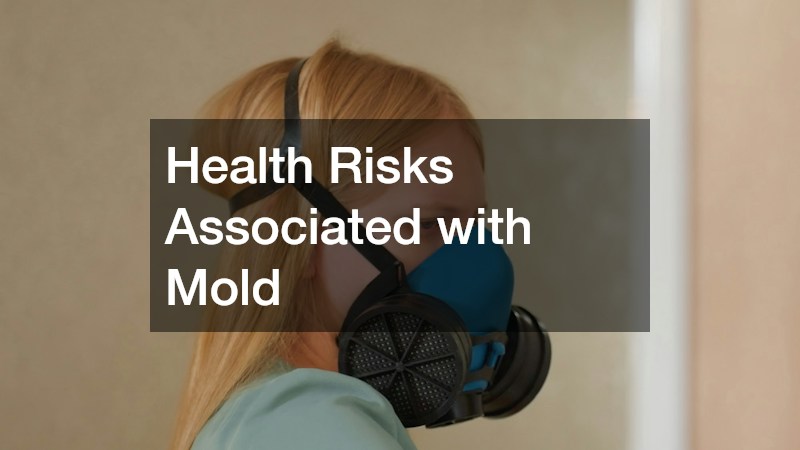
Uncontrolled indoor mold growth releases spores and mycotoxins into the air, causing serious health issues. Prolonged exposure can cause chronic sinus irritation, persistent coughing, eye inflammation, skin rashes, severe fatigue, and exacerbated asthma symptoms. Children, the elderly, and individuals with existing respiratory conditions are especially vulnerable to poor indoor air quality.
DIY vs. Professional Mold Inspection
While over-the-counter home test kits can confirm whether mold spores exist in a room, they cannot pinpoint hidden infestations behind drywalls or measure exact spore concentrations in the air. Professional mold inspectors use specialized moisture meters and infrared thermal imaging to identify hidden leaks and determine the true extent of the problem.
Steps to Take After Mold Detection
Remediating mold effectively requires a methodical process. First, fix the primary moisture source immediately to stop ongoing fungal growth. Contaminated porous materials like drywall or carpeting should be safely removed, while non-porous surfaces must be sanitized using specialized antimicrobial treatments. Running high-efficiency air scrubbers and keeping indoor humidity below fifty percent prevents future mold growth.
Upgrading your well-being requires an integrated approach. By refining your movement with professional fitness guidance, caring for your mental health, protecting your home against pests and mold, and creating spaces for relaxation and outdoor adventure, you build a resilient foundation for long-term health. Pick two or three strategies from this guide to act on today, and begin building a healthier, more refreshing lifestyle.