

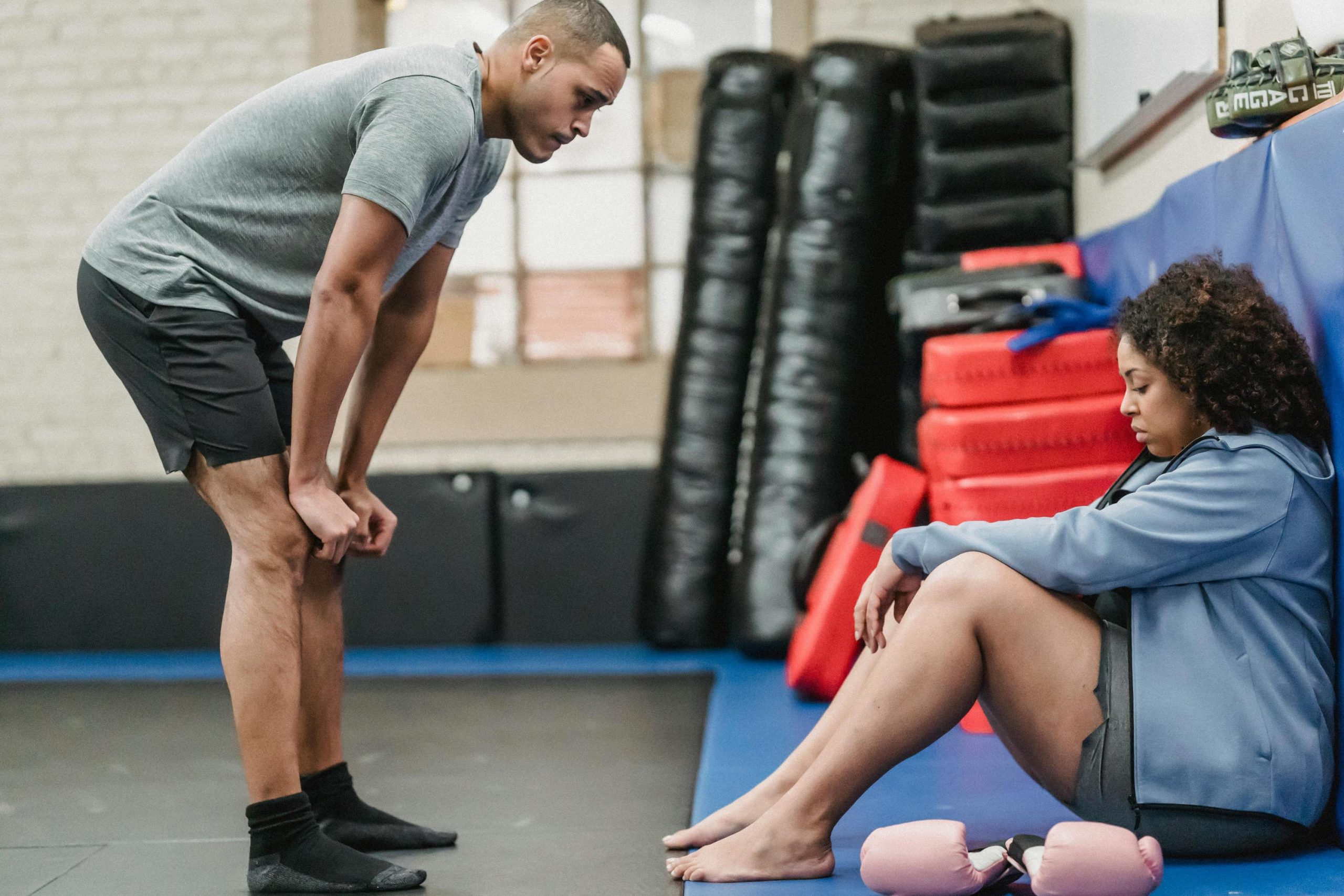
Exercise is supposed to make you feel stronger and healthier. But sometimes, instead of feeling energized, you may feel sick and dizzy during exercise. This can be scary, especially if it happens suddenly.
The good news is that dizziness and nausea during workouts are often caused by common and manageable factors. In many cases, simple adjustments to your routine can prevent these symptoms.
In this guide, we’ll explain why you might feel sick and dizzy during exercise, what your body may be signaling, and how to prevent it safely.
Is It Normal to Feel Sick and Dizzy During Exercise?
Mild lightheadedness can happen occasionally, especially if you push yourself hard. However, frequent dizziness or nausea is not something you should ignore.
Your body may be reacting to:
- Dehydration
- Low blood sugar
- Overexertion
- Heat
- Poor breathing habits
Understanding the cause is the first step to preventing it.
Common Triggers of Feeling Sick and Dizzy During Exercise
Let’s break down the most common reasons behind these symptoms.
1. Dehydration
Dehydration is one of the leading causes of dizziness during workouts.
When you sweat, you lose:
- Water
- Sodium
- Potassium
- Other electrolytes
If these fluids aren’t replaced, your blood volume drops. This makes it harder for your heart to pump blood to your brain, leading to dizziness.
Symptoms of dehydration include:
- Dry mouth
- Headache
- Fatigue
- Nausea
- Muscle cramps
Prevention Tip: Drink water consistently throughout the day—not just during your workout.
2. Low Blood Sugar
Exercising without enough fuel can cause your blood sugar to drop.
This is common if you:
- Skip meals
- Work out first thing in the morning
- Do long cardio sessions without eating
Low blood sugar may cause:
- Shaking
- Sweating
- Weakness
- Nausea
- Dizziness
Prevention Tip: Eat a small snack with carbohydrates and a little protein 30–90 minutes before exercising.
Good options include:
- Banana with peanut butter
- Greek yogurt
- Whole-grain toast
3. Overexertion
Pushing your body too hard too quickly can overwhelm your system.
When you overexert yourself:
- Your heart rate spikes
- Your breathing becomes rapid
- Blood flow shifts away from digestion
This can make you feel both dizzy and sick. In some cases, people not only feel lightheaded during training but also feel nauseous after workout sessions if they pushed beyond their limits.
High-intensity workouts such as:
- HIIT
- Sprint intervals
- Heavy weightlifting
are common triggers.
Prevention Tip: Gradually increase intensity instead of jumping into maximum effort workouts. Building endurance over time helps your body adapt safely.
4. Poor Breathing Technique
Many people unknowingly hold their breath while exercising, especially during strength training.
Holding your breath can:
- Increase blood pressure
- Reduce oxygen flow
- Cause lightheadedness
This is especially common during:
- Deadlifts
- Squats
- Core exercises
Prevention Tip: Practice steady breathing. Inhale during easier movements and exhale during exertion.
5. Exercising in Heat
Heat and humidity increase stress on your body.
When exercising in hot conditions:
- Your body temperature rises
- You sweat more
- Dehydration happens faster
This can lead to:
- Dizziness
- Nausea
- Heat exhaustion
Prevention Tip: Wear breathable clothing and avoid peak heat hours.
6. Sudden Position Changes
Quickly standing up after floor exercises can cause a drop in blood pressure. This is called orthostatic hypotension.
For example:
- Finishing sit-ups
- Jumping up after push-ups
- Standing quickly after stretching
This can cause brief dizziness.
Prevention Tip: Rise slowly and pause before moving to the next position.
7. Not Cooling Down Properly
Stopping intense exercise suddenly can cause blood to pool in your legs instead of circulating properly.
This may lead to:
- Dizziness
- Lightheadedness
- Weakness
Prevention Tip: Always include a 5–10 minute cool-down with light walking and stretching.
What Your Body Is Telling You
When you feel sick and dizzy during exercise, your body may be saying:
- “Slow down.”
- “I need fluids.”
- “I need energy.”
- “I’m overheating.”
These signals are protective. Ignoring them can increase the risk of injury or more serious health issues.
Listening to your body helps you train smarter.
What to Do If You Feel Dizzy Mid-Workout
If dizziness strikes during exercise:
- Stop immediately.
- Sit or lie down safely.
- Take slow, deep breaths.
- Drink water.
- Rest until symptoms pass.
Do not continue exercising until you feel stable.
Prevention Tips for Safe Workouts
Let’s look at practical ways to prevent feeling sick and dizzy during exercise.
Stay Hydrated
Hydration should begin hours before your workout.
Tips include:
- Drink water regularly throughout the day
- Sip water during exercise
- Replace electrolytes after long workouts
For sessions longer than 60 minutes, electrolyte drinks may help.
Fuel Your Body Properly
Balanced meals improve performance.
Aim for:
- Complex carbohydrates
- Lean protein
- Healthy fats
Avoid:
- Heavy greasy meals
- Large portions right before workouts
- Exercising completely fasted (unless medically guided)
Build Intensity Gradually
Progressive overload is key.
Instead of doubling workout time or weight:
- Increase duration by 5–10 minutes per week
- Add small weight increments
- Include rest days
Your body adapts over time.
Monitor Your Heart Rate
Tracking your heart rate can prevent overexertion.
Use:
- A fitness watch
- A chest strap monitor
Staying within your target heart rate zone reduces dizziness risk.
Is It Related to Feeling Nauseous After Workout?
Sometimes dizziness during exercise continues after you finish. You may even feel nauseous after workout sessions.
This can happen if:
- You stopped suddenly
- You’re dehydrated
- Blood sugar dropped
- Your body overheated
If both dizziness and nausea happen frequently, review your hydration, nutrition, and workout intensity.
Making small changes often solves the issue.
When Should You See a Doctor?
While occasional mild dizziness may not be serious, you should seek medical attention if you experience:
- Chest pain
- Shortness of breath
- Fainting
- Severe headache
- Irregular heartbeat
- Persistent symptoms
These may indicate heart conditions, blood pressure problems, or other health issues.
Never ignore serious warning signs.
Special Considerations for Beginners
If you’re new to exercise, your body needs time to adjust.
Start with:
- Low-impact cardio
- Light strength training
- Short sessions
Allow your cardiovascular system to adapt gradually.
Over time, dizziness should decrease as your fitness improves.
Mental and Emotional Factors
Anxiety can also cause dizziness during workouts.
If you feel:
- Nervous in gym settings
- Self-conscious
- Stressed
Your breathing may change, leading to lightheadedness.
Practicing controlled breathing and focusing on your pace can help.
Final Thoughts: Exercise Should Make You Feel Strong, Not Sick
Feeling sick and dizzy during exercise is your body’s way of communicating. Most of the time, the causes are simple:
- Dehydration
- Low blood sugar
- Overexertion
- Heat
- Poor breathing
The solution is usually just as simple:
- Hydrate properly
- Eat balanced meals
- Pace yourself
- Warm up and cool down
- Listen to your body
Exercise is about improving your health—not pushing yourself to the point of feeling unwell.
By understanding common triggers and taking preventive steps, you can enjoy safer, more effective workouts and feel confident in your fitness journey.